
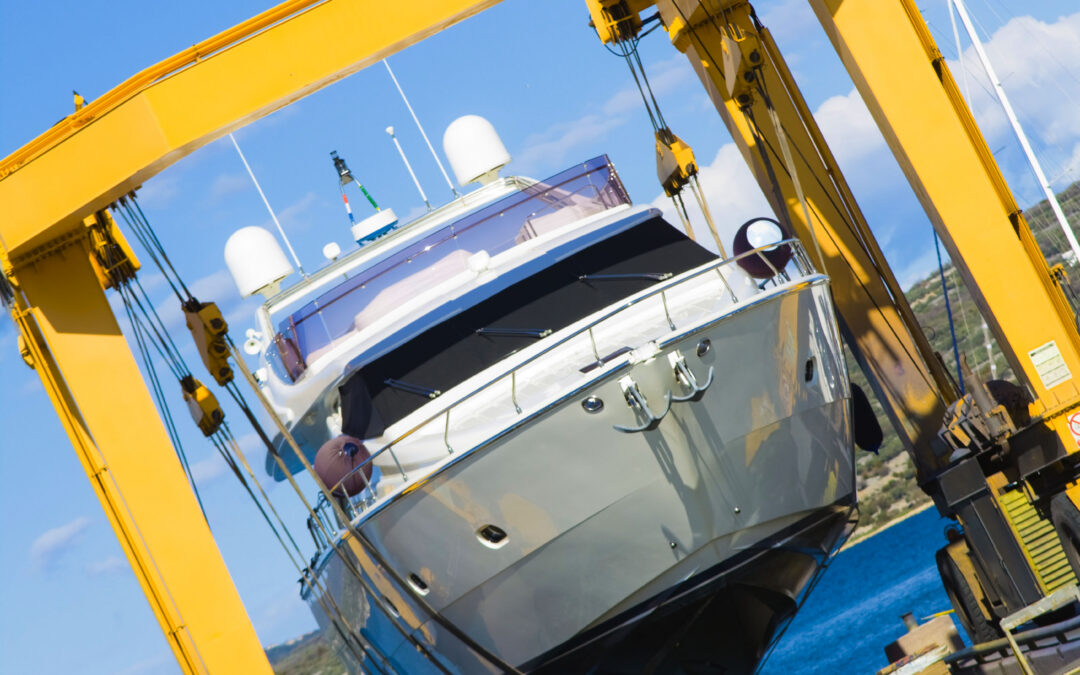
Owning a watercraft brings an unparalleled sense of freedom and adventure. However, protecting this significant investment requires careful planning and the right equipment to ensure longevity and safety. Leaving a vessel floating in the water full time can lead to a multitude of issues, including hull blistering and structural damage from rough waves. This is why investing in proper docking solutions like specialized boat lifts is essential for every boat owner who wants to preserve the beauty and functionality of their watercraft. According to Insurance Journal, there are 11.96 million registered recreational boating vessels in the U.S. With so many watercraft navigating the waters, the demand for reliable storage solutions continues to rise across the country. By taking the time to explore your options, you can find a system that offers peace of mind and seamless transitions from the dock to the open water.
Assessing Your Waterway Conditions
The environment where you keep your watercraft plays a critical role in determining which system will perform best over time. Waterways vary drastically depending on location, ranging from calm, shallow lakes to deep, coastal areas subjected to intense tidal fluctuations. For individuals located on calm lakes with stable water lines, a stationary setup often provides excellent stability and ease of access. These environments experience minimal wave action, meaning the structure faces less structural stress from moving water. On the other hand, coastal zones and large rivers present unique challenges that require a more adaptable approach to watercraft storage.
Tidal movements can cause water levels to shift drastically throughout the day, which means a fixed system might leave your watercraft stranded during low tide or submerged during high tide. In these dynamic environments, floating boat lifts offer an excellent alternative because they naturally rise and fall along with the changing water levels. Rough waters with frequent wake from passing traffic also demand heavy-duty structures capable of absorbing continuous motion without compromising safety.
Understanding Your Vessel Dimensions
Every watercraft possesses unique physical characteristics that dictate the specific type of support system required to keep it secure. The total weight of your watercraft is a critical factor to consider, and this calculation must include more than just the dry weight listed by the manufacturer. You must account for the weight of fuel, fresh water tanks, stored gear, watersports equipment, and any modifications or additions made to the structure. Exceeding the maximum capacity of your storage system can lead to catastrophic mechanical failure, jeopardizing both the structure and the watercraft itself. Therefore, calculating an accurate total weight with a safe margin is a vital initial step in the selection process to ensure peace of mind.
Beyond total weight, the physical shape and dimensions of the hull will influence the configuration of the bunks and support cradles. Pontoon boats, traditional V-hull cruisers, catamaran designs, and shallow draft fishing boats all distribute weight differently across their hulls. Customizing the bunk configuration ensures that the weight is distributed evenly across the structural frame, preventing localized stress points that could warp or damage the hull material. Beam width is another essential measurement, as the system must be wide enough to accommodate the widest part of the watercraft while leaving ample clearance on both sides for safe docking maneuvers during windy conditions.
Evaluating Your Lift Mechanisms
Modern engineering has delivered several distinct operational styles for boat lifts, each utilizing different mechanical methods to raise and lower your watercraft. Cantilever systems utilize a pivoting motion to lift the craft, using a series of linkages that push the cradle forward and upward simultaneously. These systems are highly regarded for their simplicity and require fewer moving parts, making them a reliable choice for shallow waters and lighter watercraft. Because they feature a less complex design, maintenance is often straightforward, though they do have limitations regarding total lifting height and weight capacity compared to more robust mechanical designs.
Vertical systems operate by moving the cradle straight up and down, making them ideal for deeper waters or areas with fluctuating water levels. These systems provide a greater total lifting range, allowing you to raise the watercraft high above fluctuating waves and storm surges. Hydraulic systems represent another advanced option, utilizing pressurized fluid to deliver incredibly smooth, swift, and quiet operation with minimal manual effort. For heavy watercraft or individuals seeking maximum convenience, electric top-mount systems utilizing heavy cables and motors offer immense power and dependability, ensuring your watercraft is raised quickly out of the water after a long day of navigation.
Selecting Your Construction Materials
The materials used to construct your docking system will directly impact how long the structure lasts and how much maintenance it requires over its operational lifespan. Marine-grade aluminum is a highly popular choice for many boat lifts due to its exceptional strength-to-weight ratio and natural corrosion resistance. Aluminum structures are light enough to be managed relatively easily during installation or seasonal removal while remaining tough enough to withstand significant environmental forces. This material develops a protective oxide layer when exposed to air, which helps prevent the degradation commonly associated with continuous exposure to moisture and outdoor elements.
Galvanized steel is another robust material option, frequently chosen for heavy-duty applications or large commercial vessels that demand maximum structural rigidity. While galvanized steel offers immense strength, it requires regular inspection to ensure the protective zinc coating remains intact, especially when utilized in harsh saltwater environments where rust can develop quickly. Beyond the primary metal frame, you must also evaluate the materials used for cables, pulleys, and bunks, opting for stainless steel components and durable marine-grade plastics or wrapped wood. Choosing high-quality materials reduces the likelihood of unexpected component failures and extends the overall service life of your waterfront setup.
Maintaining Your Storage System
Regular upkeep is vital to ensure that your equipment continues to function safely and efficiently throughout the boating season. Neglecting routine inspections can lead to minor issues developing into major mechanical failures that could damage your watercraft or cause unexpected downtime. Property owners should establish a habit of checking all cables for fraying, examining pulleys for smooth rotation, and ensuring that the structural frame remains free of debris or biological growth. Lubricating moving parts with marine-grade grease helps minimize friction and wear, ensuring that the entire mechanism operates smoothly every time you decide to head out onto the water.
Seasonal changes also require careful preparation, particularly in regions that experience freezing winter temperatures, where ice can cause severe structural damage. Removing the system from the water or properly winterizing the electrical components will protect your investment from the harsh elements during the off-season. Investing in high-quality boat lifts means you are choosing durability, but even the best systems require attention to detail to preserve their functionality over the decades. By prioritizing proactive maintenance, you ensure that your docking setup remains a safe and dependable sanctuary for your valued vessel.
Finding the perfect balance between waterway conditions, vessel specifications, and mechanical designs ensures that your watercraft remains secure and ready for your next excursion. Taking the time to analyze your specific environment and the unique requirements of your hull will prevent costly mistakes and provide long-term satisfaction. A reliable storage system simplifies the process of launching and retrieving your watercraft, allowing you to maximize your time spent enjoying the water rather than struggling with difficult docking procedures. Implementing reliable boat lifts is the ultimate way to safeguard your watercraft against the unpredictable elements of nature. To explore premium options designed to protect your investment for years to come, please contact Captain’s Choice Docks & Boat Lifts.